
1. Introduction
When clinicians approach patient treatment, they often fall into a “professional mode,” focusing primarily on medical considerations while overlooking what the patient truly wants and what treatment process they can realistically accept. This is especially true in dentistry, a field that often evokes significant fear in patients. I believe this is partly because many clinicians become too focused on the treatment itself and neglect the patient’s feelings and experience.
2. Patient Condition Overview
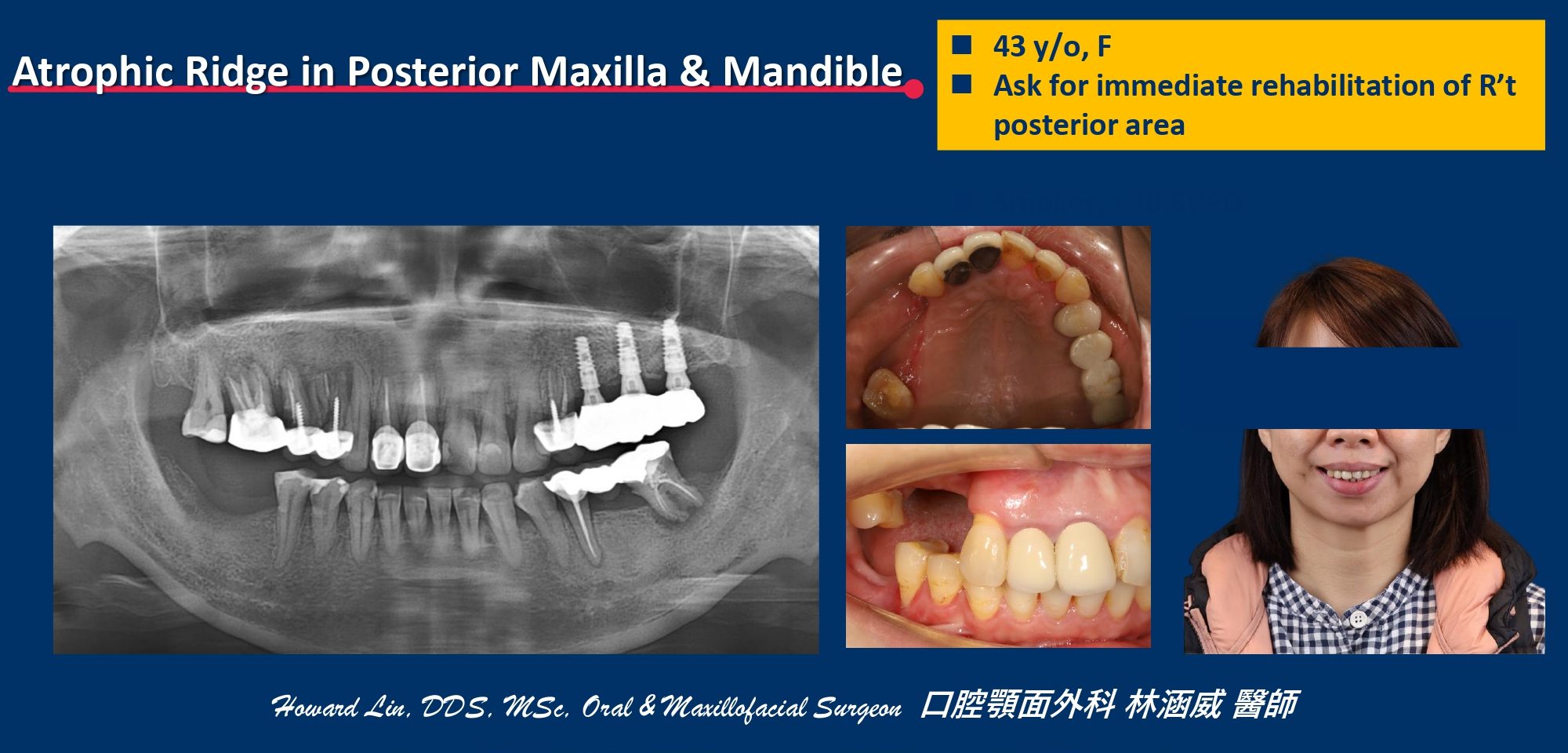
In this case, a female patient presented with three teeth in the upper right quadrant affected by severe periodontal disease. After evaluation by a periodontist, extraction was performed.
Following wound healing, the patient felt that the missing teeth were visible when smiling broadly, which compromised esthetics. Therefore, she wished to have the teeth restored as soon as possible.
After evaluation, since the rest of the dentition—except for the right side—was intact, we initially recommended alveolar bone reconstruction in the upper right area followed by implant placement, commonly referred to as “bone grafting.” In addition, the lower right first molar had been missing for a long time, so it was suggested that its function be restored during this reconstruction phase.
However, the patient expressed that the missing teeth on the right side were highly unaesthetic and were affecting both her work and daily life. She strongly preferred the fastest possible solution to restore both appearance and function.
As for the lower right missing tooth, since it was not easily visible, she was willing to accept a slower treatment course.
At this point, the treatment plan was adjusted: the upper right area would undergo a partial All-on-3 immediate restoration (three implants), while the lower right area would be treated with BBA (biologic bone augmentation) to reconstruct alveolar bone width and height, followed by implant placement at a later stage.
The goal was to restore teeth and function in the upper right region as quickly as possible, avoiding the situation where the patient would remain without teeth for over a year following bone augmentation procedures.
3. Treatment Plan
A partial All-on-3 immediate restoration (three implants) was planned for the upper right region. For the lower right region, BBA (biologic bone augmentation) would first be performed to rebuild alveolar bone width and height, followed by implant placement in a subsequent stage.
The objective was to rapidly restore function and esthetics in the upper right area, while avoiding a prolonged edentulous period of more than one year after bone augmentation.
4. Clinical Procedure
▍In the upper right region, three teeth had severe endodontic infections and were extracted by another clinician after evaluation.
Subsequently, a noticeable edentulous area remained in the upper right, and the patient sought restoration of the missing teeth.
▍
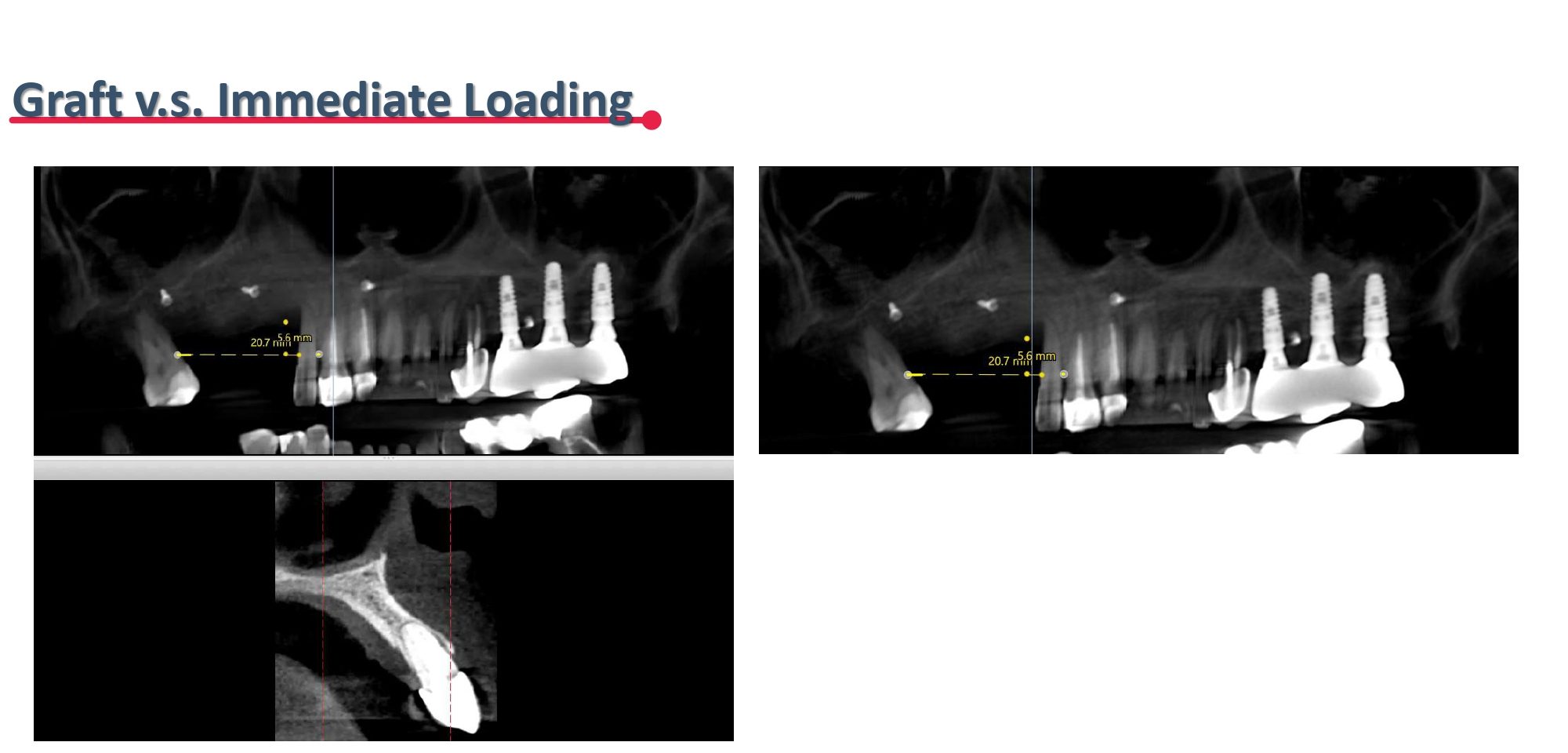
Measure the three-dimensional dimensions of the defect area. If a conventional implant approach is to be performed, alveolar bone augmentation is required first, followed by a one-year healing period. Implant placement would then be carried out, and finally soft tissue (keratinized gingiva) augmentation would be performed. This treatment would take at least 18 months in total and involve three separate surgeries.
The patient feels that this treatment course is too long and significantly affects the esthetics of his smile. He hopes to achieve a state of having teeth in a single day.
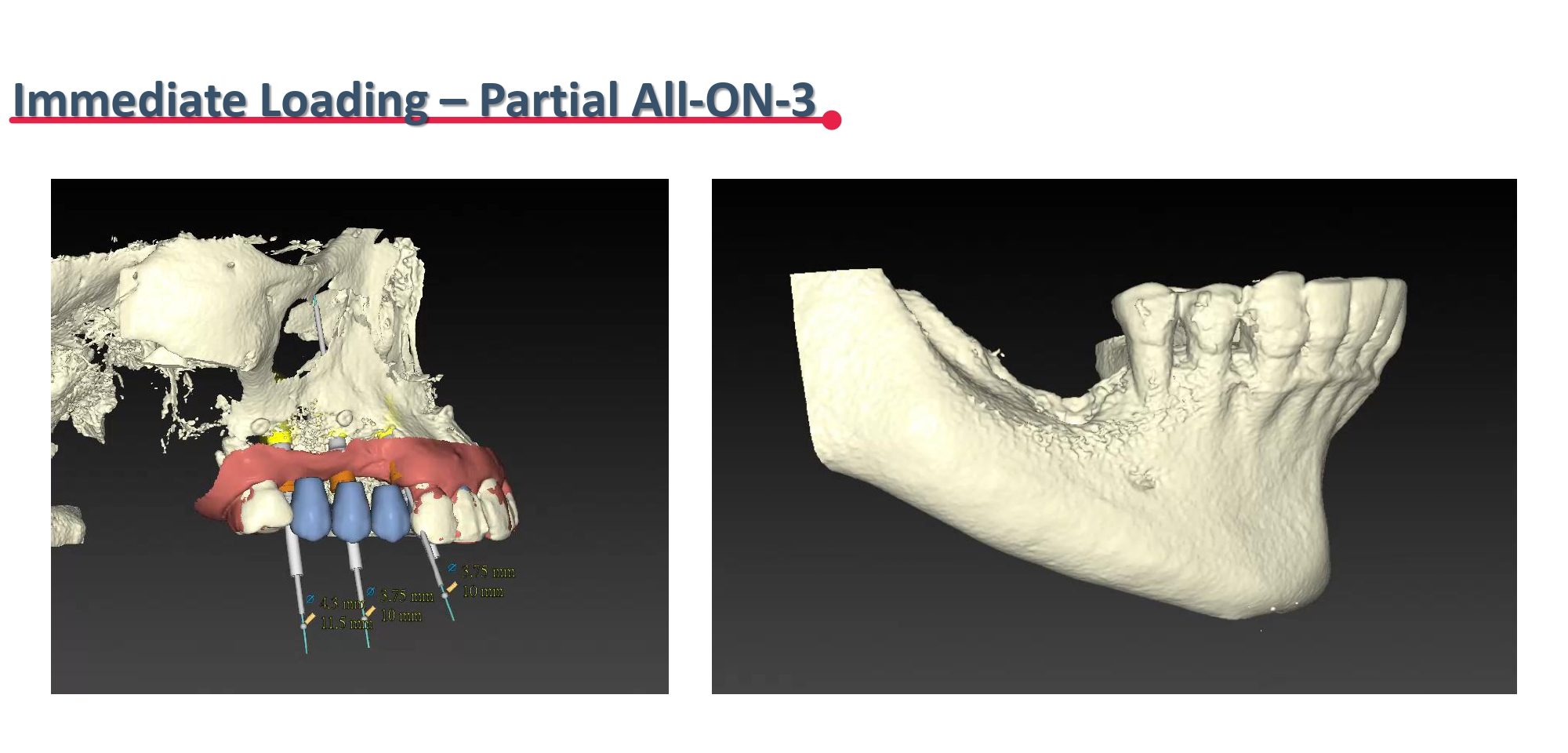
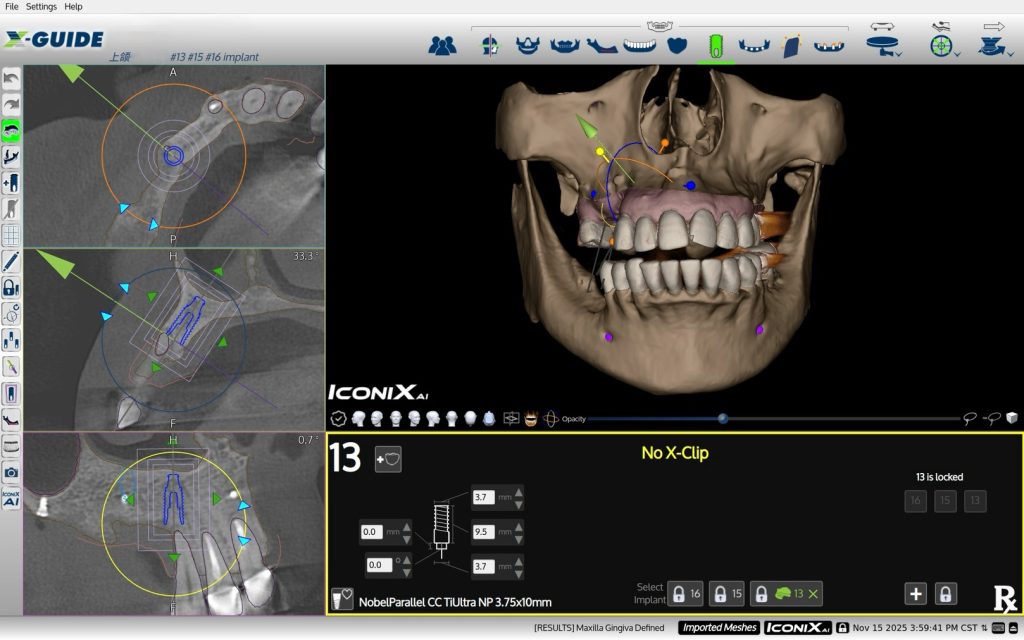
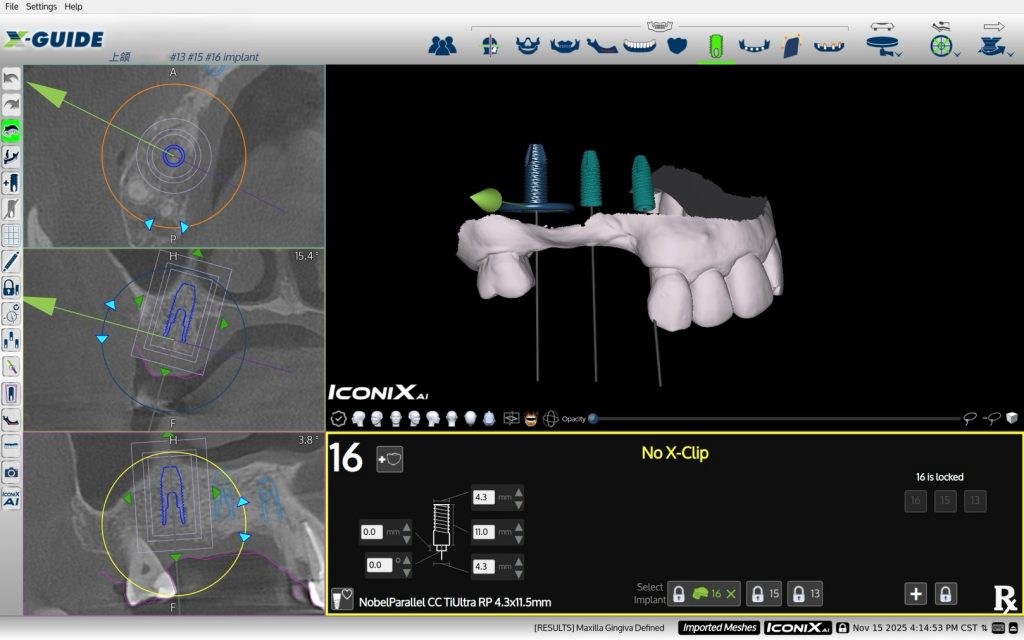
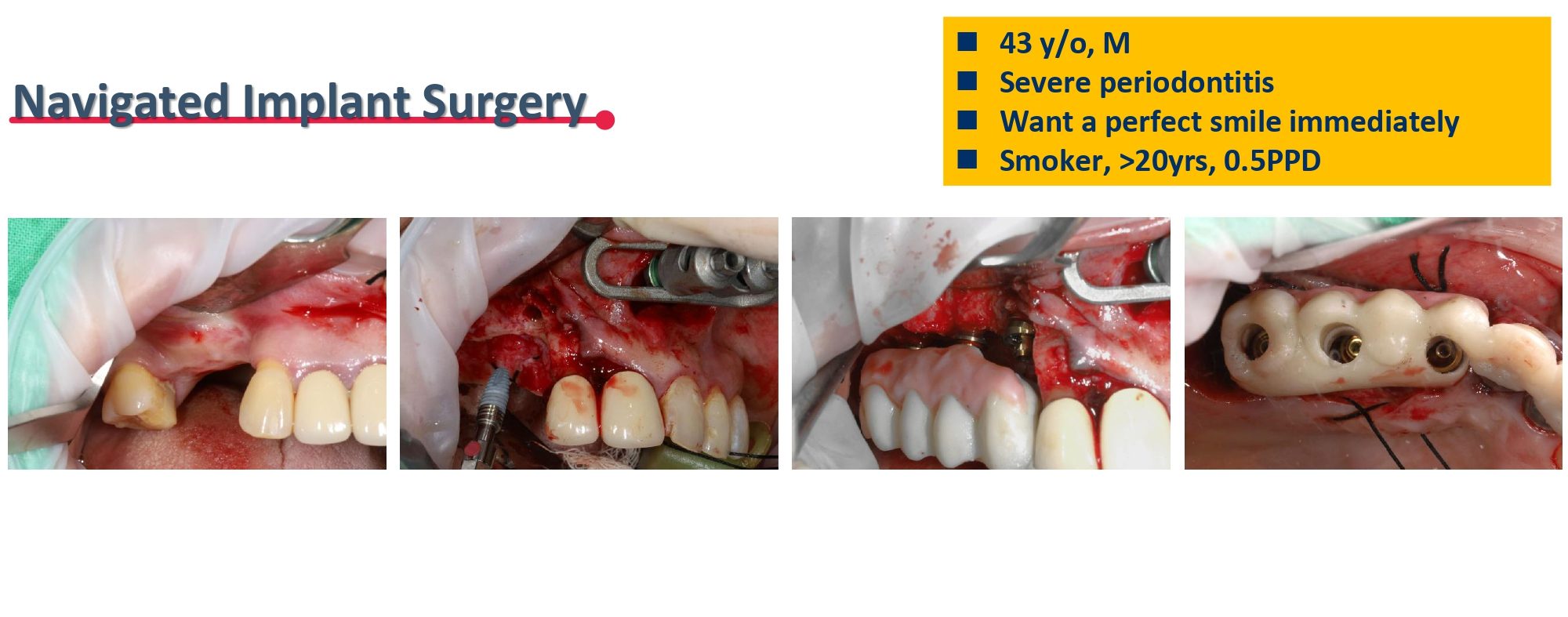
▍With the assistance of dynamic navigation, both the implant and the MUA can be positioned almost exactly at the center of the template, indicating that the accuracy is highly predictable.
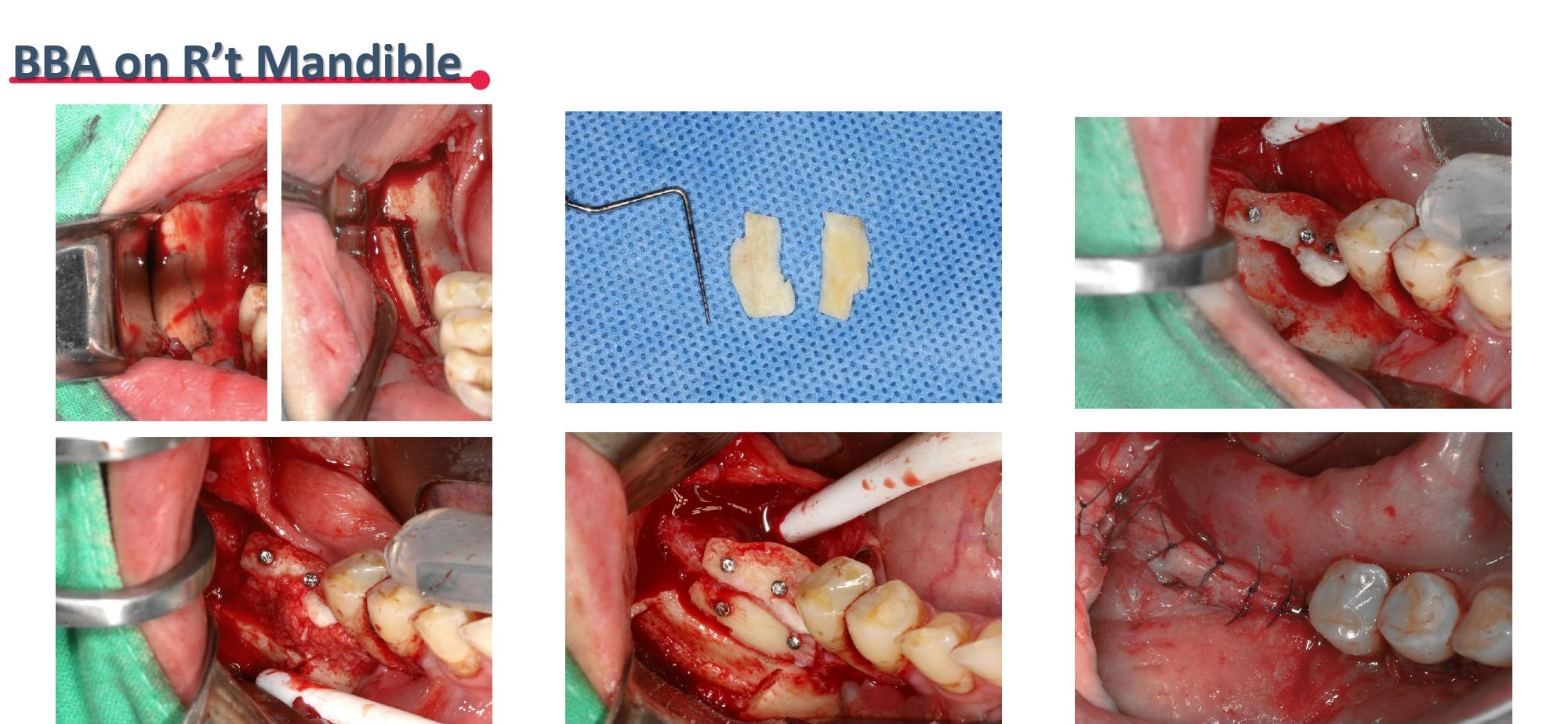
▍For the mandible, since it is not located in the esthetic zone and BBA can significantly reduce the waiting period for bone grafting, the patient is able to accept the conventional implant treatment protocol.
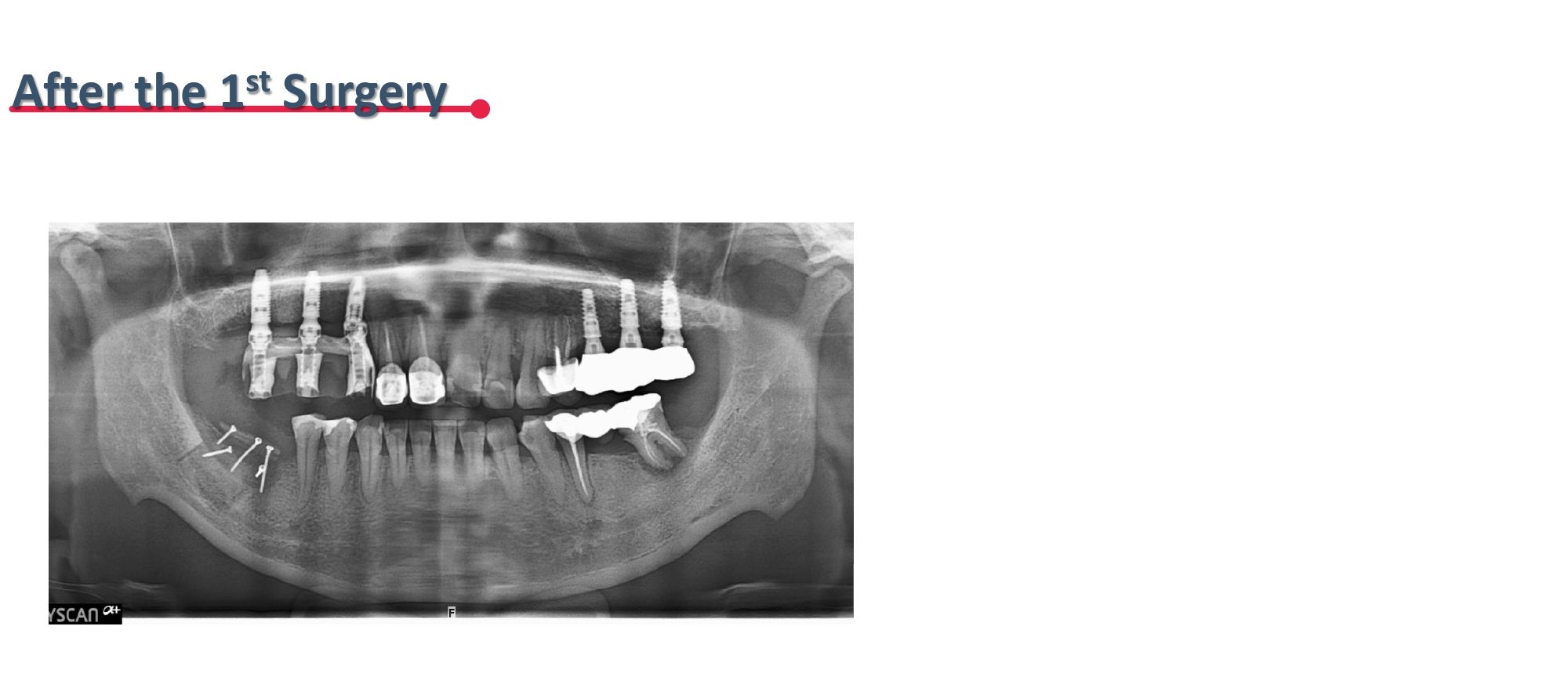
▍Three implants were placed in the right maxilla, connected with MUAs, and a temporary prosthesis was delivered; BBA surgery was performed in the right mandible.
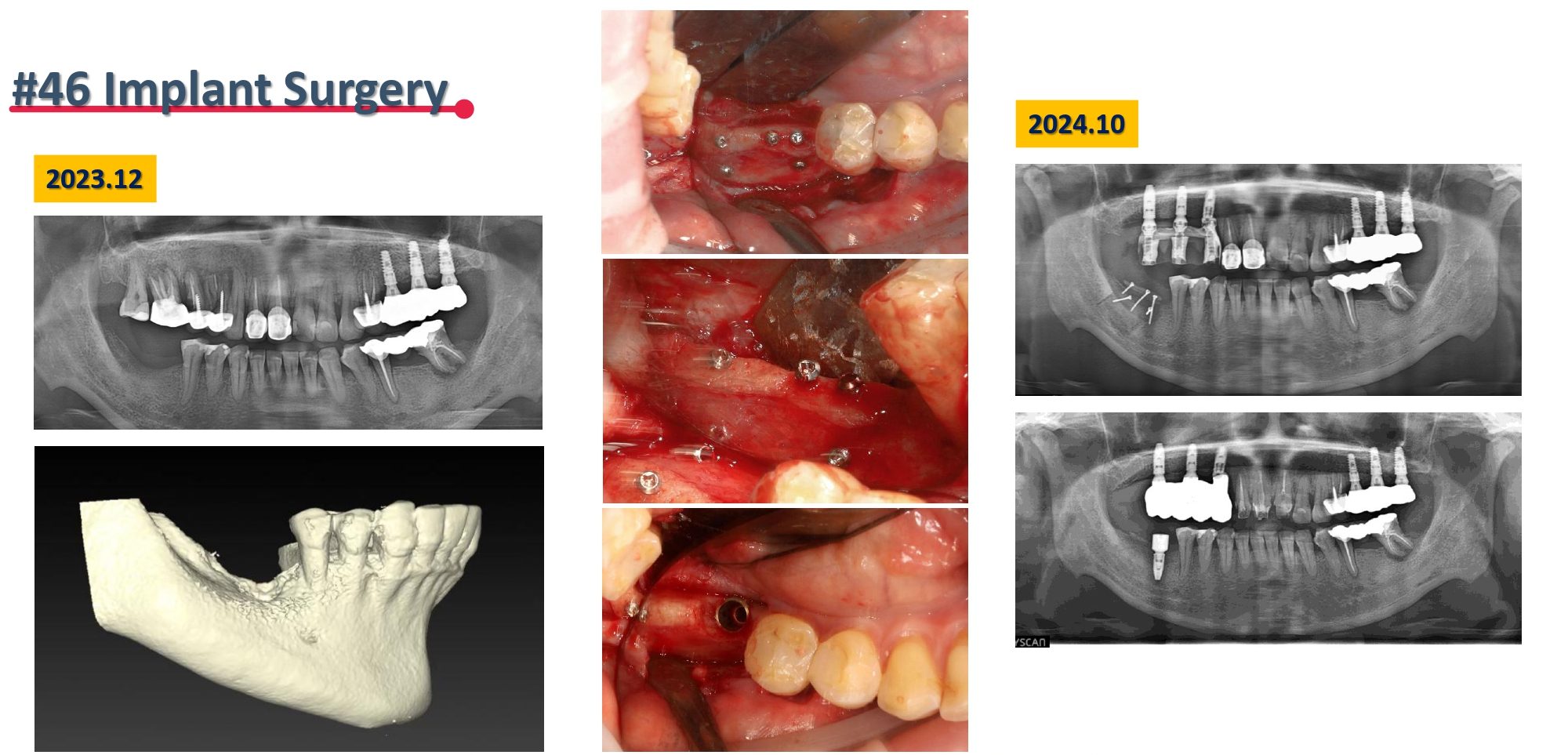
▍Site #46 shows excellent alveolar bone reconstruction in the BBA area, followed by implant placement.
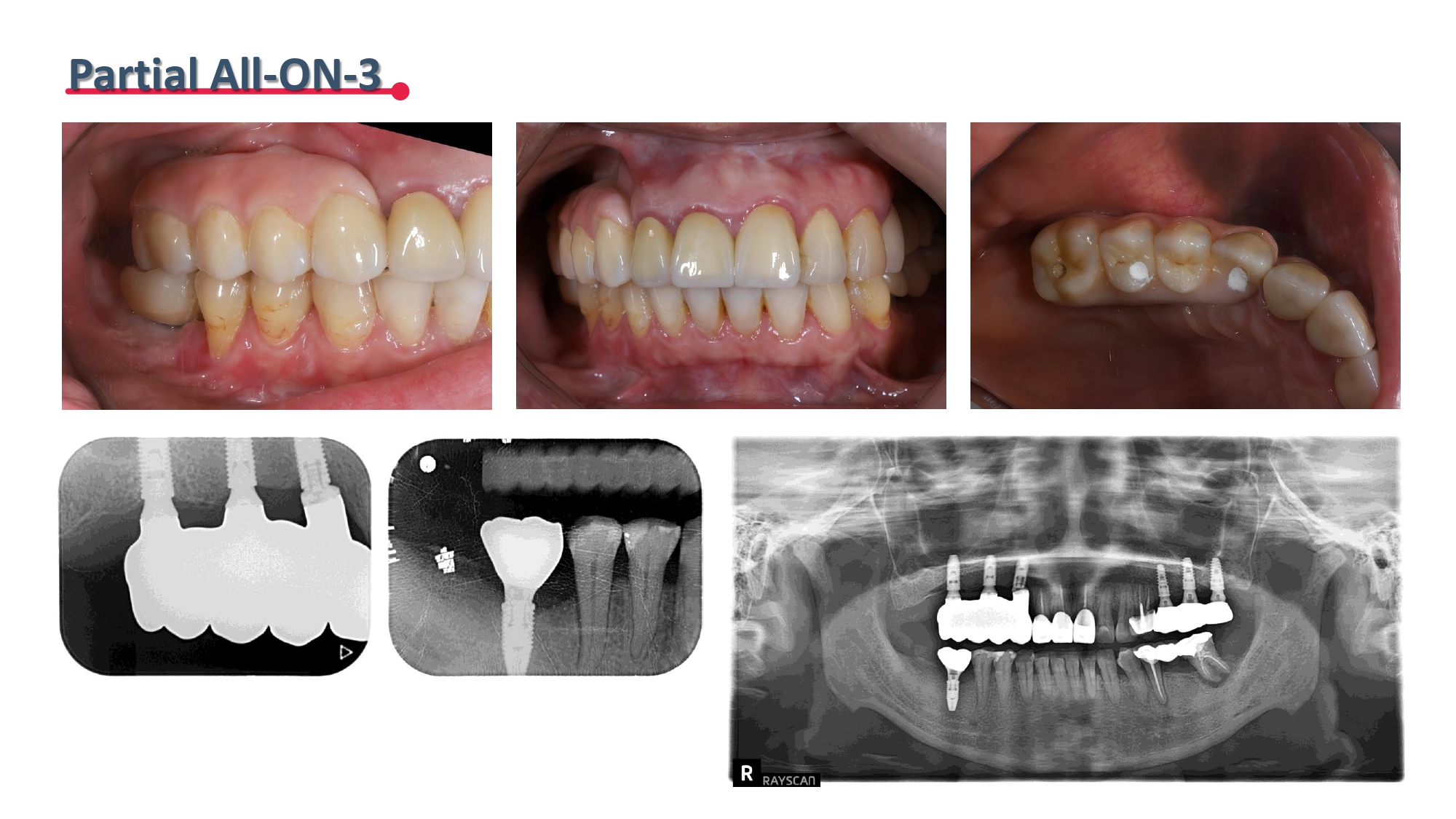
▍Finally, the right maxillary region was restored with an FP3-type prosthesis, while #46 received a conventionally restored implant.
V. Post-treatment Reflections
I often feel that, as a clinician who claims to perform implant rehabilitation, it is not appropriate to extract all teeth in every case and proceed with full-arch reconstruction—this is simply wrong.
Make no mistake—there are indeed quite a number of clinicians who label themselves as All-on-4 specialists, and every patient who walks in ends up receiving All-on-4 treatment.
A proper approach is to objectively analyze the clinical conditions, evaluate different treatment modalities, communicate thoroughly with the patient, and carefully listen to their needs before formulating a treatment plan. Only then can the decision be considered objective and appropriate.
Not every patient should end up receiving All-on-4. When that happens consistently, it is not truly the patient’s choice—it is a decision shaped by the clinician.
A truly mature and ethical clinician guides patients based on their individual needs toward the most suitable path for rehabilitation.