
▍Introduction
In the field of autotransplantation, the preservation of the periodontal ligament is a critical factor for success. However, traditional techniques are technically demanding and offer limited real-time assessment of recipient site preparation. Dynamic navigation assistance not only streamlines the surgical workflow but also significantly enhances the overall success rate.
▍Patient Condition Overview
A 43-year-old female with a non-contributory medical history presented for treatment evaluation of a cracked left maxillary second molar.
▍Treatment Plan
Extraction of the left maxillary second molar and navigation-assisted autotransplantation of the right mandibular third molar.
▍Clinical Procedure
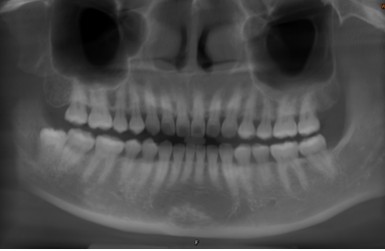
Impacted right mandibular third molar
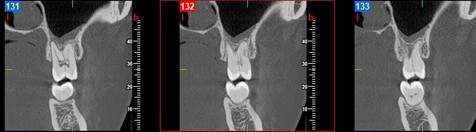
Vertical fracture of the left maxillary second molar
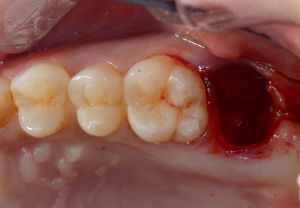
Extraction of the left maxillary second molar
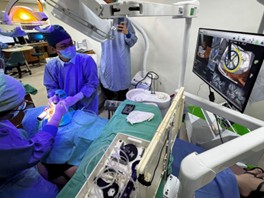
Navigation-guided preparation of the recipient site
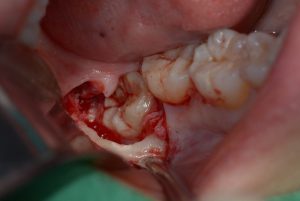
Atraumatic extraction of the right mandibular third molar with preservation of the periodontal ligament (PDL).
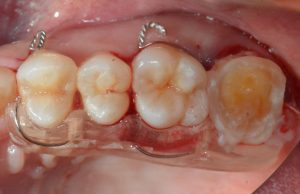
Completion of the transplantation, followed by stabilization with a customized splint and occlusal adjustment.
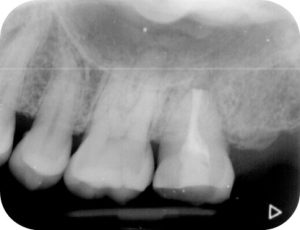
At the 3-month post-operative follow-up, the transplanted tooth demonstrated excellent stability with no clinical complications.
▍Treatment Outcomes and Insights
Navigation-assisted autotransplantation demonstrates exceptional precision in recipient site preparation. Beyond enhancing success rates through PDL preservation, its true value is manifested in an intuitive workflow, superior surgical visibility, and clinical flexibility. Digitalization is not intended to replace traditional expertise, but rather to ensure predictable outcomes and transform this demanding procedure into a teachable art form.
▍User Experience with the Product
Visualized Pathway: Surgeons can monitor the drill position, angle, and depth in real-time on the screen, ensuring the avoidance of vital anatomical structures.
Intraoperative Flexibility: Navigation allows for real-time, flexible adjustments of the implant position or angulation based on the actual bone quality encountered during surgery.
Enhanced Visibility: The technology eliminates the need for extensive flap reflection to gain visibility, leading to a more minimally invasive procedure.